
How Pre-Construction Condo Deposits Work in Ontario (2026 Guide)
Written by: The CondoScout Team
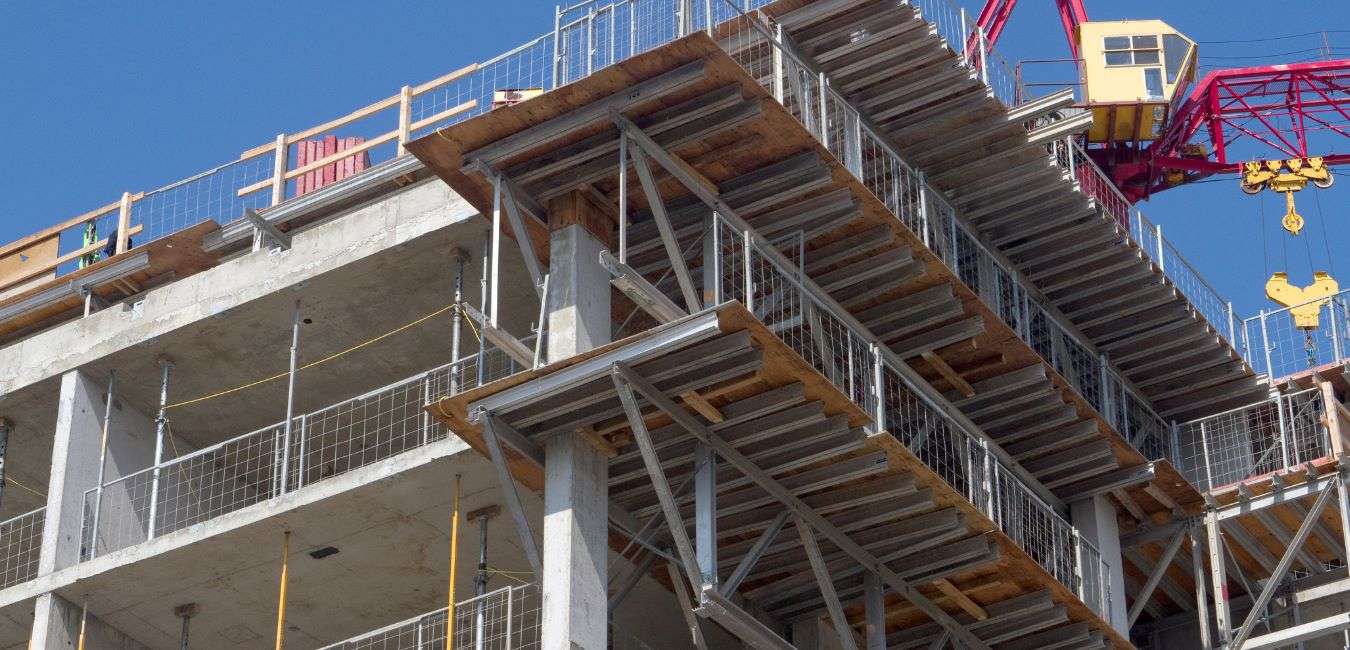
Buying a pre-construction condo in Ontario is very different from purchasing a resale property. One of the biggest differences is the deposit structure. Instead of providing the full down payment immediately, buyers purchasing a new condominium from a developer typically make deposits over time according to a scheduled payment structure outlined in the Agreement of Purchase and Sale.
For many buyers, especially first-time investors and end-users, the deposit process can feel confusing. Questions often arise about how much is required, when payments are due, where the money is held, whether deposits are refundable, and what happens if a buyer cannot complete future payments.
Understanding how pre-construction condo deposits work is critical because deposits are one of the most important parts of buying a new condo in Ontario. Deposit structures influence affordability, investment strategy, financing preparation, and long-term risk exposure.
In competitive real estate markets like Toronto, Mississauga, and the broader GTA, developers increasingly use deposit structures as a major marketing tool to attract buyers. Flexible payment schedules, extended deposit timelines, and reduced upfront requirements often become key selling features during slower market cycles.
This guide explains how pre-construction condo deposits work in Ontario, including deposit schedules, trust accounts, risks, investor strategies, refund rules, assignment considerations, financing implications, and what buyers should understand before signing a condo purchase agreement.
What Is a Pre-Construction Condo Deposit?
A pre-construction condo deposit is money paid by the buyer to secure a unit from a developer before the building is completed.
Unlike resale transactions, where buyers typically provide a deposit followed by mortgage financing at closing, pre-construction condo purchases involve staged deposit payments made over several months or years during the development process.
The deposit essentially demonstrates buyer commitment while helping developers secure financing for construction.
In most Canadian condo markets, buyers do not pay the full purchase price upfront. Instead, deposits are spread out according to a schedule established by the builder.
For example, a developer may require:
- $10,000 on signing
- Balance to 5% in 30 days
- 5% in 90 days
- 5% in 180 days
- 5% at occupancy or one year later
This means a buyer purchasing an $800,000 condo may pay deposits gradually over several years rather than producing a massive lump sum immediately.
Deposit structures are one of the reasons pre-construction condos remain attractive to many investors and first-time buyers. The staggered timeline allows purchasers additional time to save money, plan financing, and prepare for final closing.
Why Developers Require Deposits
Developers rely heavily on deposits because large condominium projects require substantial upfront capital and lender confidence before construction can begin.
Banks financing condo developments want evidence that enough units have already been sold before releasing construction funding. This is commonly referred to as achieving “pre-sale thresholds.”
Deposits help demonstrate market demand and buyer commitment.
From the developer’s perspective, deposits also reduce risk. If buyers had no financial commitment during the pre-construction phase, cancellation rates would likely increase substantially whenever markets shifted.
Deposits therefore serve several important functions simultaneously:
- securing units for buyers
- supporting developer financing
- demonstrating market demand
- reducing cancellation risk
- helping fund project development
This system has become standard across Ontario’s major condo markets.

Typical Deposit Structures in Ontario
Deposit structures vary depending on:
- the developer
- market conditions
- project type
- buyer incentives
- construction timelines
In highly competitive markets like the GTA, the standard deposit requirement for pre-construction condos is often around 15% to 20% of the purchase price.
However, the timing of those payments can differ dramatically.
A traditional GTA deposit structure may look like this:
- 5% on signing
- 5% in 90 days
- 5% in 180 days
- 5% in 365 days
Some luxury projects may require larger deposits, particularly in premium downtown or waterfront developments.
During slower market conditions, developers sometimes introduce “extended deposit programs” designed to reduce upfront buyer pressure. These programs may spread deposits across two, three, or even four years.
For example, a builder may advertise:
“5% per year over 4 years.”
These structures can significantly improve affordability for investors and end-users who need additional time to accumulate capital.
Deposit Structures for Investors vs End-Users
Deposit requirements often affect investors and end-users differently.
Investors frequently prioritize flexible deposit schedules because they may be purchasing multiple units simultaneously or allocating capital across several projects.
A longer deposit structure improves leverage efficiency by reducing immediate cash exposure.
For example, an investor purchasing a $700,000 condo with a four-year deposit structure may only need:
- $35,000 initially
- followed by staggered payments over time
This allows capital to remain invested elsewhere while the property appreciates during construction.
End-users, meanwhile, often focus more on affordability and mortgage preparation. Flexible deposits provide additional time to improve income, save funds, or plan for future life changes before final closing.
Developers increasingly tailor deposit programs toward both audiences depending on market conditions.
Where Are Condo Deposits Held?
In Ontario, condo deposits are generally protected and held in trust accounts.
Deposits for pre-construction condominium are typically protected under the Ontario Condominium Act and administered through regulated trust arrangements.
This is extremely important because buyers are often purchasing properties years before completion.
Trust protection helps reduce risk if a project is delayed or cancelled.
Deposits are commonly protected by:
- lawyer trust accounts
- brokerage trust accounts
- Tarion warranty protections (subject to limits)
Buyers should always confirm exactly where deposits are being held and whether trust protections apply before signing an agreement.

Are Pre-Construction Condo Deposits Refundable?
This is one of the most misunderstood aspects of buying pre-construction condos.
In most situations, deposits become non-refundable after the cooling-off period expires.
In Ontario, buyers purchasing new condos typically receive a 10-day cooling-off period after signing the Agreement of Purchase and Sale. During this time, buyers may review documents with a lawyer and cancel the agreement without penalty.
After this cooling-off period ends, deposits generally become legally committed unless:
- the developer breaches the agreement
- the project is cancelled
- certain contractual conditions apply
Many buyers incorrectly assume deposits are flexible or easily refundable. They are not.
Once firm, buyers are legally obligated to continue meeting deposit requirements according to the contract schedule.
Failure to complete deposit payments can result in:
- contract termination
- loss of deposits
- legal liability
- potential damages claims from developers
This is why buyers should never commit to a pre-construction purchase without fully understanding their financial capacity.
What Happens if a Condo Project Is Cancelled?
Project cancellations do occasionally occur, particularly during volatile economic cycles or financing challenges.
If a project is cancelled, buyers typically receive their deposits back with interest according to provincial regulations and trust requirements.
However, cancellations can still create financial frustration because:
- buyers lose years of market appreciation opportunity
- deposit capital remains tied up for extended periods
- future replacement properties may become significantly more expensive
This became especially relevant in rapidly appreciating markets where cancelled projects left buyers priced out of newer developments years later.
For this reason, many experienced buyers prioritize:
- reputable developers
- financially strong builders
- projects with strong sales momentum
- prime urban locations
Developer quality matters enormously in pre-construction real estate.

How Deposits Affect Mortgage Financing
Many first-time buyers misunderstand the relationship between deposits and mortgage financing.
Deposits are not the same as mortgage approval.
A buyer may successfully complete all deposit payments yet still fail to qualify for financing at final closing if:
- income changes
- lending rules tighten
- interest rates increase
- debts rise
- property appraisals fall short
This is one of the biggest risks in pre-construction condo investing.
Because projects often take several years to complete, buyer financial situations can change dramatically between signing and closing.
Smart buyers begin mortgage preparation early rather than assuming future approval is guaranteed.

The Importance of Deposit Planning
One of the biggest mistakes buyers make is underestimating future deposit obligations.
Because payments are spread across months or years, some purchasers become overly optimistic about future financial growth.
For example, buyers may assume:
- future raises
- investment gains
- easier financing conditions
- rising property values
But markets can shift unexpectedly.
Interest rates, employment conditions, and economic cycles can all change before occupancy.
Experienced buyers therefore approach deposit planning conservatively.
Many investors maintain reserve funds specifically for:
- deposit obligations
- closing costs
- occupancy fees
- unexpected financing changes
Proper liquidity management is essential in pre-construction investing.
Deposit Incentives and Builder Promotions
Developers frequently use deposit incentives to attract buyers.
During slower sales environments, builders may offer:
- extended deposit schedules
- reduced initial deposits
- deposit credits
- capped development charges
- free assignments
- free parking or lockers
These incentives can substantially improve investment economics.
For example, a developer offering:
“5% down over 5 years”
creates significantly lower short-term capital pressure than a traditional 20% structure within one year.
However, buyers should avoid focusing solely on deposit flexibility without evaluating:
- project quality
- pricing
- location
- future supply
- developer reputation
Aggressive incentives sometimes indicate slower market demand.
Assignment Sales and Deposits
Deposits also play a major role in condo assignment sales.
In an assignment transaction, the original purchaser sells their contractual interest in the condo before final closing.
The new buyer typically reimburses the original purchaser for deposits already paid, often plus profit if the market appreciated.
For example:
- Original buyer deposits: $120,000
- Market appreciation: $80,000
The assignee may pay:
- $120,000 deposit reimbursement
- plus $80,000 assignment profit
Understanding deposit positioning is therefore essential in assignment investing strategies.
Occupancy Periods and Additional Costs
Many buyers assume deposits represent their only major pre-closing financial obligation.
In reality, interim occupancy periods can create additional monthly costs before final ownership transfer occurs.
During occupancy, buyers may pay:
- occupancy fees
- estimated property taxes
- maintenance fees
- interest components
This occurs before mortgage financing officially begins.
Buyers should therefore prepare not only for deposits but also for potential occupancy carrying costs.

How Condo Deposits Compare to Resale Purchases
Pre-construction and resale deposits function very differently.
In resale real estate transactions, buyers typically provide:
- an initial deposit
- mortgage financing shortly afterward
- full closing within 30–90 days
Pre-construction condos involve:
- staged deposits
- multi-year timelines
- delayed financing
- future occupancy periods
This creates both advantages and risks.
The advantage is lower immediate capital pressure.
The risk is longer-term uncertainty.
Are Larger Deposits Better?
Some buyers intentionally provide larger deposits to:
- secure preferred units
- strengthen negotiations
- reduce future mortgage requirements
Larger deposits may also reduce financing risk because lower mortgage balances improve qualification potential.
However, tying up too much capital in deposits can reduce liquidity and investment flexibility.
Sophisticated investors often balance:
- leverage efficiency
- liquidity management
- future financing capacity
- portfolio diversification
There is no universal “best” deposit strategy.
Common Mistakes Buyers Make With Condo Deposits
Many first-time buyers enter pre-construction purchases without fully understanding long-term obligations.
Common mistakes include:
- assuming future mortgage approval is guaranteed
- underestimating closing costs
- overextending financially
- misunderstanding occupancy fees
- failing to review contracts with lawyers
- focusing only on monthly deposit amounts instead of total exposure
The most successful buyers approach pre-construction condos with long-term planning rather than short-term speculation.
Frequently asked Questions
Most pre-construction condos in Canada require total deposits between 15% and 20% of the purchase price. In the GTA, developers commonly structure deposits in stages over several months or years rather than requiring the full amount upfront.
For example, buyers may pay:
- $10,000 on signing
- Balance to 5% in 30 days
- 5% in 90 days
- 5% in 180 days
- 5% in one year
Some projects also offer extended deposit programs designed to reduce short-term financial pressure.
In most cases, deposits become non-refundable after the cooling-off period expires. In Ontario, buyers typically receive a 10-day cooling-off period after signing the Agreement of Purchase and Sale.
Once that period ends, buyers are generally legally committed to the contract unless:
- the developer cancels the project
- certain contractual conditions are triggered
- the builder breaches the agreement
This is why reviewing the agreement with a real estate lawyer is extremely important.
Pre-construction condo deposits are usually held in trust accounts through:
- lawyer trust accounts
- brokerage trust accounts
- regulated developer trust arrangements
In Ontario, deposits for new condominium purchases are protected under provincial condominium legislation and warranty protections, subject to certain limits.
Yes. If a buyer fails to complete future deposit payments or cannot close the transaction according to the contract terms, the developer may terminate the agreement and retain deposits already paid.
In some situations, buyers may also face additional legal liability if the developer resells the unit at a lower price.
Yes. Deposits paid during the pre-construction phase are typically credited toward the buyer’s total down payment at final closing.
For example, if a buyer purchases a condo for $800,000 and pays $160,000 in deposits during construction, that amount generally becomes part of the overall down payment calculation at closing.
If a pre-construction condo project is cancelled, buyers are typically entitled to receive their deposits back, often with interest depending the contract structure.
However, cancellations can still create financial setbacks because buyers may lose years of market appreciation and future purchasing power.
Some buyers use lines of credit, gifted funds, or other financing sources for deposits. However, buyers should carefully evaluate future mortgage qualification because lenders will assess overall debt obligations at final closing.
Overleveraging during the deposit phase can create financing challenges later.
Sometimes. During slower market cycles, developers may offer:
- extended deposit timelines
- lower upfront payments
- special incentives
- deposit credits
VIP launches and platinum sales events may also include more flexible deposit programs for early buyers.
Occasionally. Some developers tailor incentives differently depending on the buyer profile, project type, or unit category.
Investor-focused projects may emphasize extended deposit flexibility, while luxury end-user developments may require larger upfront commitments.
Not always. While smaller or extended deposits improve short-term affordability, buyers should still evaluate:
- location quality
- developer reputation
- pricing
- future supply
- long-term demand
A flexible deposit structure alone does not automatically make a condo a good investment.
Final Thoughts
Pre-construction condo deposits are one of the defining features of buying new real estate in Ontario.
Unlike resale transactions, deposits are typically spread across several years, allowing buyers to secure future property ownership while gradually building equity during the construction phase.
For investors, flexible deposit structures create leverage opportunities and long-term appreciation potential.
For end-users, they provide additional time to prepare financially before final closing.
But deposits also introduce significant responsibilities and risks. Buyers must understand:
- legal obligations
- financing uncertainty
- occupancy costs
- cancellation risks
- developer quality
- future market conditions
The most successful condo buyers treat deposits not simply as payments, but as part of a broader long-term real estate strategy.
As pre-construction condo markets continue evolving throughout Ontario and the GTA, understanding how deposits work remains essential for anyone considering a new condominium purchase.

Ready to Explore GTA Pre-Construction Condos?
Whether you are a first-time buyer, investor, or downsizer, understanding deposit structures is one of the most important parts of buying a pre-construction condo.
CondoScout helps buyers navigate:
- VIP condo launches
- platinum pricing
- deposit structures
- assignment opportunities
- master-planned communities
- investor-focused developments across the GTA
Explore the latest pre-construction condos in:
- Toronto
- Mississauga
- Vaughan
- North York
- Scarborough
- Etobicoke
- Waterfront communities
and discover which projects offer the strongest long-term value and investment potential in today’s market.
Whether you are looking for:
- flexible deposit programs
- first-time buyer opportunities
- luxury waterfront condos
- transit-oriented developments
- or long-term investment properties
CondoScout provides expert guidance throughout the entire pre-construction buying process — from selecting the right project to understanding deposits, occupancy fees, assignments, and final closing costs.
Start Your Pre-Construction Condo Search Today
Browse the latest GTA pre-construction condo developments, compare deposit structures, and access exclusive VIP incentives before projects launch to the public.
If you are considering buying a new condo in the GTA, CondoScout can help you:
- compare top developments
- evaluate investment potential
- understand builder incentives
- analyze future growth areas
- and make more confident buying decisions in Canada’s evolving condo market.