Is Buying a Pre-Construction Condo Worth It in 2026? (GTA Market Guide)
Written by: The CondoScout Team

The Greater Toronto Area condominium market has entered a very different phase compared to the ultra-competitive boom years that defined much of the late 2010s and early 2020s. Rising interest rates, affordability concerns, construction slowdowns, investor uncertainty, and changing buyer psychology have forced many people to reconsider whether purchasing a pre-construction condo still makes financial sense in 2026.
For years, buying pre-construction real estate in Toronto, Mississauga, Vaughan, North York, Scarborough, Etobicoke, and other GTA markets was viewed almost automatically as a winning investment strategy. Buyers entered projects early, secured extended deposit structures, waited several years for construction to finish, and often benefited from substantial appreciation before taking possession.
However, the market environment today is more complex.
Construction costs have risen sharply. Mortgage qualification rules remain stricter than they were during previous growth cycles. Investor sentiment has become more cautious. Some projects have experienced delays, while others launched at pricing levels that many buyers now question.
At the same time, the long-term fundamentals supporting the GTA housing market remain extremely powerful.
Population growth continues accelerating. Immigration remains historically strong. Housing supply shortages persist across the region. Transit expansion and urban intensification continue reshaping major development corridors throughout the GTA.
This creates a critical question for buyers and investors in 2026:
Is buying a pre-construction condo still worth it?
The answer depends heavily on:
- location selection
- project quality
- financial preparation
- investment timeline
- buyer objectives
- market expectations
Pre-construction condos are no longer “easy money” investments where nearly every project appreciates rapidly regardless of quality or pricing. Buyers today need to approach the market with far more analysis, discipline, and long-term thinking.
However, strong opportunities still exist for buyers who understand how the market is evolving.
Why Pre-Construction Condos Became So Popular in the GTA
To understand whether pre-construction condos remain worthwhile in 2026, it is important to understand why they became such a dominant investment strategy in the first place.
Over the past two decades, the GTA experienced extraordinary population growth driven by:
- immigration
- urbanization
- employment expansion
- international investment
- low interest rates
- limited housing supply
At the same time, land scarcity throughout central Toronto pushed development increasingly toward high-density condominium construction.
Pre-construction condos became attractive because they allowed buyers to:
- secure future pricing
- spread deposits over time
- benefit from appreciation during construction
- access new inventory
- reduce short-term maintenance concerns
Many investors viewed pre-construction condos as leveraged long-term growth assets tied to the expansion of the GTA itself.
Projects near:
- subway stations
- GO Transit infrastructure
- employment hubs
- universities
- waterfront redevelopment
- master-planned communities
often experienced particularly strong demand.
This environment created years of aggressive investor activity throughout the condo market.

What Has Changed in the Market by 2026?
The GTA condo market in 2026 operates under very different conditions than the ultra-low interest rate environment that previously fueled rapid investor speculation.
Several major factors have changed buyer behavior.
The first is affordability pressure.
Condo prices throughout Toronto and surrounding GTA regions increased dramatically over the past decade. Combined with higher borrowing costs, this has reduced affordability for many buyers.
The second factor is interest rates.
Mortgage qualification has become significantly more difficult compared to previous years. Many buyers who initially purchased during lower-rate periods faced financial pressure when projects approached closing.
The third factor is investor caution.
The condo market is no longer viewed as a guaranteed short-term appreciation vehicle. Investors have become more selective regarding:
- pricing
- location quality
- rental demand
- developer reputation
- transit access
- long-term fundamentals
The fourth factor is construction risk.
Rising labor costs, material costs, financing expenses, and supply chain disruptions have increased pressure on developers.
This has contributed to:
- project delays
- slower launches
- reduced investor confidence
- shifting inventory strategies
However, despite these challenges, the GTA still faces a major housing shortage.
This remains one of the most important long-term market fundamentals supporting real estate demand.
The Long-Term Fundamentals Still Support Condo Demand
While short-term market conditions may fluctuate, several structural forces continue supporting long-term condo demand throughout the GTA.
The most important is population growth.
The GTA continues attracting:
- international immigrants
- students
- skilled workers
- corporate talent
- interprovincial migration
This creates sustained long-term housing demand.
Another major factor is limited housing supply.
Low-rise housing inventory throughout the GTA remains constrained due to:
- land scarcity
- zoning limitations
- infrastructure boundaries
- affordability pressures
As a result, condominiums remain one of the few attainable ownership options for many buyers entering the market.
Transit expansion also continues driving intensification throughout the region.
Major projects such as:
- Ontario Line
- GO Transit expansion
- Eglinton Crosstown
- Hurontario LRT
- Scarborough Subway Extension
are reshaping future growth corridors.
Transit-oriented communities consistently attract stronger long-term condominium demand because buyers increasingly prioritize:
- walkability
- commuting convenience
- urban accessibility
- reduced car dependence
These structural fundamentals help explain why many investors still believe strongly in the long-term future of GTA condominium markets despite short-term volatility.
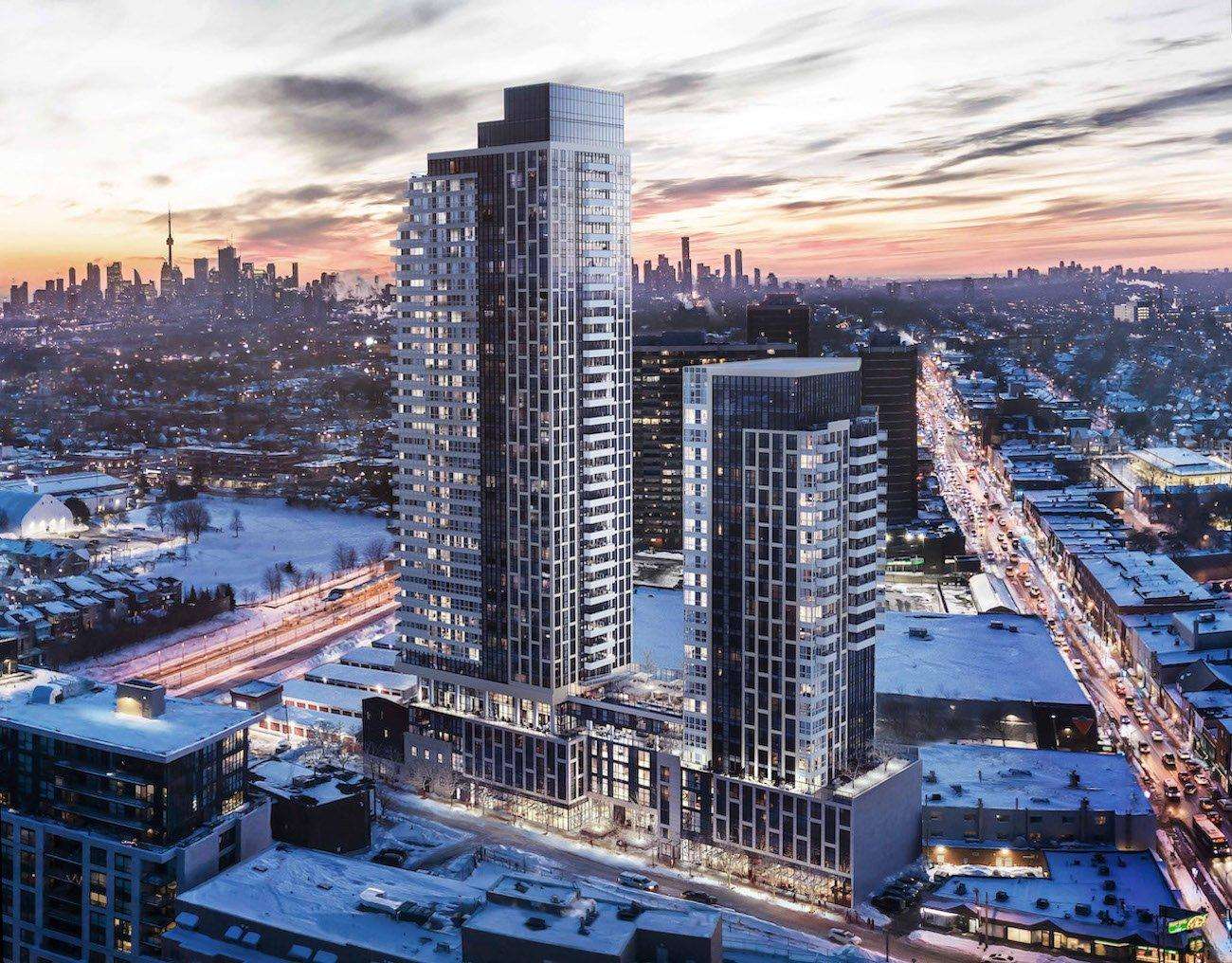
Are Pre-Construction Condos Still Good Investments?
The answer depends heavily on how buyers define investment success.
During earlier market cycles, many investors focused primarily on short-term appreciation.
Today, successful pre-construction investing increasingly depends on:
- long-term holding strategies
- cash flow sustainability
- location quality
- rental demand
- transit connectivity
Not every project launched in 2026 will perform equally.
Some developments are being launched at pricing levels that leave limited room for near-term appreciation. Others are located in oversupplied micro-markets with weaker rental fundamentals.
However, strong projects in high-demand transit-oriented communities may still perform very well over long time horizons.
The strongest opportunities are often found in:
- major transit corridors
- emerging mixed-use communities
- infrastructure-driven growth areas
- master-planned developments
- employment-connected neighborhoods
Investors should focus less on speculative flipping and more on long-term urban growth fundamentals.
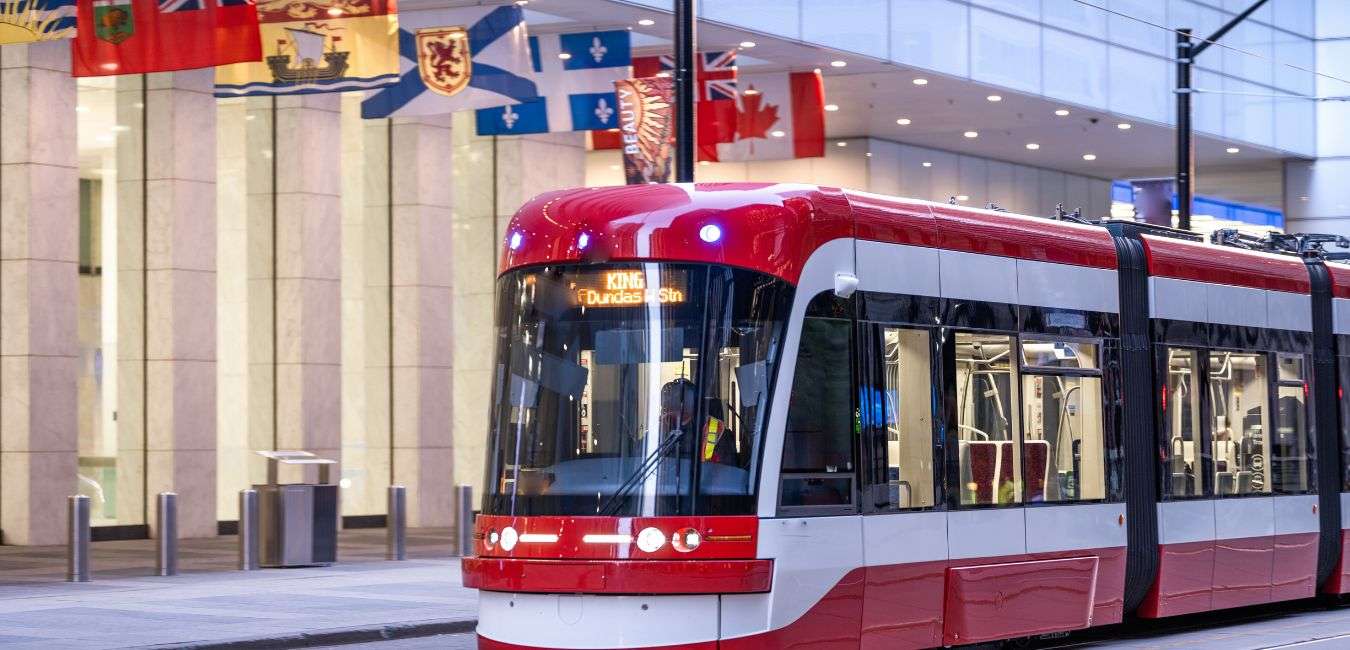
The Importance of Transit-Oriented Communities
Transit infrastructure has become one of the most important drivers of condo demand throughout the GTA.
Buyers increasingly prioritize projects near:
- subway stations
- GO Transit hubs
- LRT lines
- major employment corridors
because commuting efficiency directly affects both livability and rental demand.
Projects near major transit expansion corridors may experience stronger long-term demand due to improving accessibility.
Examples include:
- Vaughan Metropolitan Centre
- Hurontario corridor in Mississauga
- East Harbour
- Scarborough Centre
- North York transit corridors
- Etobicoke waterfront transit nodes
Transit-oriented communities are also becoming more attractive because younger buyers increasingly value:
- walkability
- mixed-use environments
- urban convenience
- reduced reliance on automobiles
This trend will likely continue shaping future condominium demand.
Rental Demand Remains One of the Strongest Market Drivers
Despite market uncertainty, the GTA rental market remains extremely strong.
High immigration levels, limited housing supply, and rising ownership costs continue pushing many residents toward renting for longer periods.
Downtown Toronto, North York, Mississauga, Vaughan, and transit-connected suburban markets continue attracting:
- students
- professionals
- newcomers
- corporate employees
- downsizers
This creates significant rental demand for well-located condominium projects.
However, investors should no longer assume every condo automatically generates strong cash flow.
Buyers must carefully evaluate:
- maintenance fees
- property taxes
- occupancy costs
- financing assumptions
- realistic rental pricing
Cash flow analysis has become far more important in today’s market environment.
Risks Buyers Must Understand in 2026
Pre-construction condos still carry meaningful risks that buyers should evaluate carefully.
One of the biggest risks is future financing uncertainty.
Because projects may close several years after purchase, buyers face unknown future mortgage conditions.
Interest rates, employment circumstances, and lending policies may all change before final closing.
Construction delays also remain common.
Many projects throughout the GTA have experienced delayed occupancy due to:
- labor shortages
- financing pressures
- supply chain disruptions
- municipal approvals
Pricing risk is another important consideration.
Some projects are launching at historically aggressive price-per-square-foot levels. Buyers who overpay may experience weaker appreciation potential over the short term.
Investors must also understand:
- development charges
- occupancy fees
- HST implications
- assignment restrictions
- maintenance fee increases
before purchasing.
Pre-construction investing requires significantly more due diligence today than during previous market cycles.

Are End-Users Better Positioned Than Investors?
n many ways, end-users may currently be better positioned than short-term investors.
Buyers planning to live in the condo long term are often less dependent on immediate appreciation.
Instead, they benefit from:
- future homeownership security
- locked-in pricing
- modern construction
- transit accessibility
- lifestyle improvements
End-users can often tolerate short-term market fluctuations more comfortably because their decision is driven partly by personal housing needs rather than purely investment performance.
Investors, on the other hand, face greater exposure to:
- financing changes
- cash flow pressure
- rental market fluctuations
- assignment market volatility
This does not mean investing is a bad strategy, but it does require more careful analysis.
Best GTA Markets for Pre-Construction Condos in 2026
Not all GTA markets offer equal long-term potential.
Some of the strongest long-term regions currently include:
- Downtown Toronto
- North York
- Vaughan Metropolitan Centre
- Mississauga City Centre
- Scarborough Centre
- Etobicoke waterfront
- East Harbour corridor
These markets benefit from:
- transit expansion
- employment growth
- intensification planning
- mixed-use development
- rental demand
Master-planned communities near major infrastructure investments may offer particularly strong long-term upside.
However, buyers should still evaluate individual projects carefully rather than assuming every development within a strong region will perform equally.
Pre-Construction vs Resale Condos in 2026
Many buyers are comparing pre-construction condos against resale inventory more carefully than before.
Pre-construction advantages include:
- newer buildings
- modern layouts
- extended deposit structures
- customization opportunities
- future appreciation potential
Resale condos offer:
- immediate occupancy
- established pricing
- visible building conditions
- immediate financing clarity
- reduced construction risk
The better choice depends heavily on:
- buyer goals
- timeline
- risk tolerance
- financing strategy
For long-term buyers seeking future-oriented urban growth opportunities, pre-construction may still offer strong value.
For buyers prioritizing stability and immediate ownership, resale may feel safer in uncertain market conditions.
How Buyers Can Make Smarter Condo Decisions in 2026
The strongest buyers in today’s market are focusing on fundamentals rather than hype.
Key evaluation factors include:
- transit infrastructure
- developer reputation
- neighborhood growth
- rental demand
- project scale
- maintenance fee structure
- floor plan efficiency
- long-term livability
Buyers should avoid making decisions based solely on:
- incentives
- flashy renderings
- speculative appreciation expectations
Conservative financial planning matters more than ever.
Buyers should maintain:
- emergency reserves
- mortgage flexibility
- realistic rental assumptions
- long-term holding capacity
The era of easy speculative condo investing has likely passed.
However, disciplined buyers can still identify strong opportunities.
So, Is Buying a Pre-Construction Condo Worth It in 2026?
For the right buyer, yes.
The GTA continues benefiting from some of the strongest long-term housing demand fundamentals in North America.
Population growth, immigration, housing shortages, transit expansion, and urban intensification continue supporting long-term condominium demand.
However, success now requires:
- stronger due diligence
- conservative financial planning
- better project selection
- long-term thinking
Pre-construction condos are no longer passive speculative investments where every project automatically appreciates rapidly.
Buyers must approach the market strategically.
Well-located projects in strong transit-oriented communities with long-term growth potential may still perform extremely well over time.
Poorly located projects launched at aggressive pricing may struggle.
The market has become more selective — and buyers need to become more selective as well.
Frequently Asked Questions About Buying Pre-Construction Condos in 2026
They can be, particularly in strong transit-oriented locations with long-term growth potential. However, buyers need to evaluate projects more carefully than during previous market cycles.
Some segments have experienced slower sales activity due to higher interest rates and affordability pressures, but long-term housing demand remains strong.
Major risks include:
- financing uncertainty
- project delays
- rising carrying costs
- market volatility
- hidden closing costs
Downtown Toronto, North York, Vaughan Metropolitan Centre, Mississauga City Centre, Scarborough Centre, and transit-oriented master-planned communities remain among the strongest long-term markets.
.
Potentially yes, particularly if they want:
- extended deposit timelines
- modern buildings
- future occupancy
- transit-connected communities
However, careful budgeting and long-term planning are essential.
Explore GTA Pre-Construction Condos with CondoScout
Whether you are a first-time buyer, investor, or downsizer, understanding deposit structures is one of the most important parts of buying a pre-construction condo.
CondoScout helps buyers navigate:
- VIP condo launches
- platinum pricing
- deposit structures
- assignment opportunities
- master-planned communities
- investor-focused developments across the GTA
Get VIP Access to New Condo Launches