
Hidden Costs of Pre-Construction Condos in the GTA (2026 Guide)
Written by: The CondoScout Team
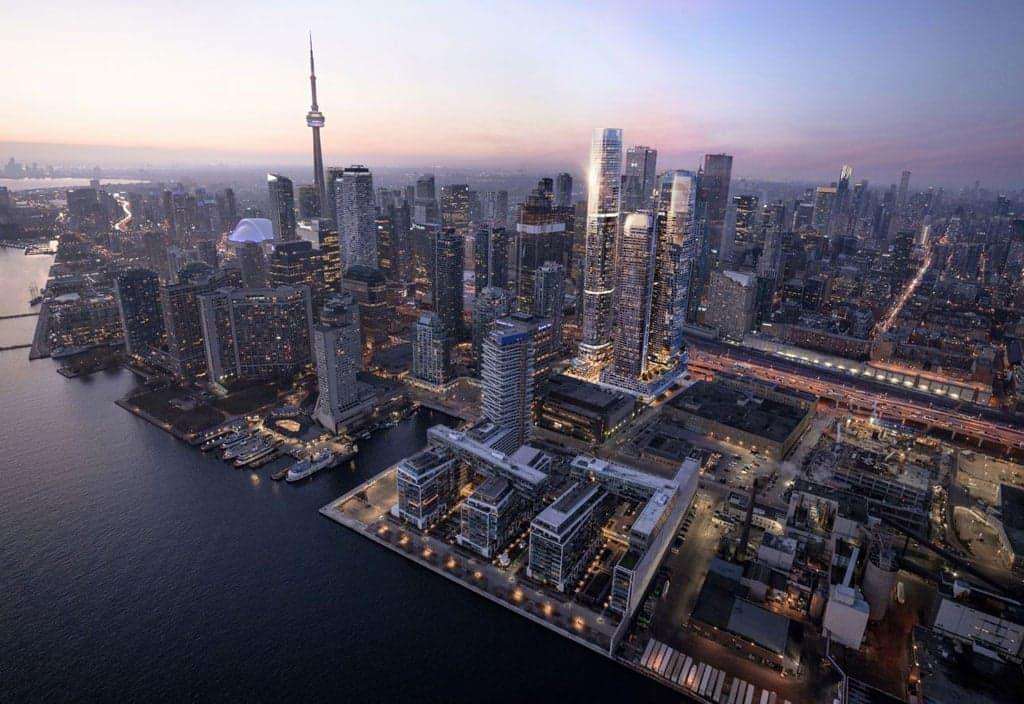
Buying a pre-construction condo in the Greater Toronto Area can look straightforward on the surface. Buyers often focus heavily on the advertised purchase price, deposit structure, incentives, and projected appreciation potential. However, one of the biggest mistakes condo buyers make is underestimating the true cost of purchasing a new condominium before construction is completed.
The reality is that pre-construction condos come with numerous hidden costs that many first-time buyers, investors, and even experienced purchasers fail to fully understand until much later in the process.
In markets like Toronto, Mississauga, Vaughan, North York, Scarborough, and Etobicoke, these additional expenses can significantly impact:
- affordability
- closing costs
- mortgage qualification
- monthly cash flow
- investment returns
- resale profitability
Some buyers assume a condo priced at $700,000 will only require the down payment and mortgage payments. In reality, total acquisition costs can climb substantially higher once development charges, occupancy fees, legal expenses, HST adjustments, assignment clauses, mortgage costs, and other closing adjustments are factored in.
Understanding these hidden costs before signing a purchase agreement is essential.
Pre-construction condominiums remain one of the most popular real estate investment strategies in the GTA because they provide:
- delayed closing timelines
- extended deposit structures
- appreciation potential
- access to newer housing inventory
- lower maintenance risk during early ownership years
However, buyers who fail to properly budget for hidden expenses often experience financial stress during occupancy or final closing.
This guide breaks down the most important hidden costs associated with buying pre-construction condos in the GTA so buyers can make more informed financial decisions before committing to a project.
Development Charges and Levies
One of the largest hidden costs in pre-construction condos is development charges.
Municipalities throughout the GTA impose various fees on developers to help fund:
- infrastructure
- roads
- schools
- parks
- transit systems
- sewage systems
- community services
Developers frequently pass these costs onto buyers through the Agreement of Purchase and Sale.
These charges are often referred to as:
- development levies
- education levies
- utility connection fees
- municipal adjustments
- closing adjustments
In some projects, these fees may be capped by the developer. In others, they may remain uncapped, creating major financial uncertainty for buyers.
This is one of the most overlooked risks in pre-construction real estate.
If development charges are not capped, buyers may face unexpectedly large closing costs years after initially signing the contract.
In high-growth regions throughout the GTA, development charges have increased significantly over the past decade due to infrastructure expansion and rapid population growth.
Buyers should carefully review:
- levy caps
- adjustment clauses
- municipal fee exposure
- legal disclosure sections
before purchasing any pre-construction condominium.
Interim Occupancy Fees
Many buyers are surprised to learn they may need to pay monthly occupancy fees before officially owning the condo.
This period is known as interim occupancy.
Occupancy occurs after the buyer receives access to the unit but before the condominium corporation is legally registered and final closing occurs.
During occupancy, buyers do not yet technically own the unit.
Instead, they pay a monthly occupancy fee to the developer.
This fee usually includes:
- estimated maintenance fees
- property tax estimates
- interest portion on the unpaid balance
Occupancy periods can last several months and sometimes longer depending on project completion timelines and registration delays.
One of the biggest misconceptions about occupancy is that these payments build equity.
They generally do not.
Occupancy fees function more like temporary rent paid to the developer until final closing occurs.
For investors, this can create temporary negative cash flow because:
- mortgage financing may not yet be available
- rental income timing may vary
- occupancy fees can be substantial
Luxury and large-scale master-planned communities may experience particularly lengthy occupancy periods due to phased registration timelines.
Buyers should budget carefully for this transition stage.
Land Transfer Taxes
Land transfer taxes remain one of the largest closing expenses for GTA condo buyers.
In Toronto, buyers typically pay:
- Ontario Land Transfer Tax
- Toronto Municipal Land Transfer Tax
This effectively creates double land transfer taxation for properties located within Toronto city boundaries.
Many first-time buyers underestimate how substantial these costs can become.
Depending on the purchase price, land transfer taxes can easily total tens of thousands of dollars.
While first-time buyer rebates may reduce some of the burden, buyers still need to budget carefully for these expenses.
Outside Toronto, buyers only pay the provincial portion.
This creates a notable cost difference between Toronto condos and suburban GTA projects in:
- Mississauga
- Vaughan
- Richmond Hill
- Markham
- Oakville
Land transfer taxes are often ignored during early budgeting conversations because buyers focus mainly on deposits and mortgage qualification.
However, these taxes become due at final closing and can significantly impact required cash reserves.
HST Complications and Rebate Risks
HST is another area where many pre-construction buyers become confused.
In most cases, advertised condo pricing includes HST rebates assuming the buyer qualifies for the federal rebate program.
However, complications can arise depending on how the property is used.
For example:
- investor purchases
- assignment sales
- occupancy changes
- resale timing
- rental usage
can all influence HST treatment.
One of the biggest risks occurs when investors fail to properly rent the property after closing.
If CRA rebate conditions are not satisfied, buyers may unexpectedly owe tens of thousands of dollars in HST adjustments.
Assignment sales create additional HST complexity because taxation rules can vary depending on:
- profit structure
- occupancy status
- assignment timing
- original purchase terms
This is one reason legal and accounting guidance is extremely important for investors purchasing GTA pre-construction condos.

Mortgage Qualification Risks
One hidden risk buyers often overlook is future mortgage qualification uncertainty.
Unlike resale purchases, pre-construction condos may close several years after signing the original contract.
A buyer who qualified comfortably in 2026 may face completely different lending conditions by the time the project closes.
Changes in:
- interest rates
- stress test rules
- employment
- debt ratios
- lending policies
can all impact financing approval.
This creates substantial uncertainty for some buyers.
Rapidly rising interest rates have exposed this risk significantly over recent years as many buyers who purchased during low-rate environments later struggled with financing at closing.
Pre-construction buyers should maintain conservative financial planning assumptions and avoid stretching affordability too aggressively during the initial purchase phase.

Assignment Fees and Restrictions
Many investors purchase pre-construction condos intending to assign the contract before final closing.
However, assignment sales are rarely as simple as buyers initially expect.
Developers often impose:
- assignment fees
- legal review fees
- marketing restrictions
- approval conditions
- timing restrictions
Some projects prohibit assignments entirely during early construction phases.
Others require substantial fees before assignments are permitted.
Assignment restrictions can significantly reduce investor flexibility during changing market conditions.
Buyers should carefully review assignment clauses within the purchase agreement before purchasing.
The GTA assignment market can also fluctuate substantially depending on:
- interest rates
- supply conditions
- investor sentiment
- project timelines
Assignment profitability is never guaranteed.
Legal Fees and Closing Costs
Many buyers underestimate total legal expenses associated with pre-construction transactions.
Legal costs typically include:
- builder document review
- closing registration
- title transfer
- mortgage registration
- occupancy review
- adjustment review
Pre-construction transactions are generally more complex than resale deals due to:
- builder agreements
- amendment schedules
- delayed timelines
- occupancy structures
- assignment clauses
- adjustment calculations
As a result, legal fees for pre-construction condos are often higher than standard resale transactions.
Buyers should also budget for:
- title insurance
- registration costs
- lender legal disbursements
- administrative adjustments
Closing costs can accumulate quickly if not properly anticipated.

Condo Maintenance Fees Often Rise Faster Than Expected
Condo maintenance fees are another frequently underestimated cost.
Developers typically provide estimated maintenance fees during the sales phase.
However, these figures are only projections.
Actual maintenance costs may rise significantly after registration depending on:
- inflation
- building operations
- staffing costs
- utility pricing
- reserve fund requirements
New condominium buildings sometimes experience notable fee increases during early operational years as budgets stabilize.
Buildings with extensive amenities may carry especially high long-term maintenance costs.
Examples include:
- pools
- concierge services
- fitness facilities
- co-working spaces
- rooftop amenities
- luxury common areas
Buyers should evaluate not only current fee estimates but also the long-term sustainability of the building’s operational structure.

Parking and Locker Costs
Parking and locker pricing has increased dramatically throughout the GTA.
In downtown Toronto and transit-oriented projects, parking spaces can cost tens of thousands of dollars or more.
Some buyers assume parking is included in the purchase price only to later discover:
- parking is sold separately
- availability is limited
- assignments may restrict parking transfer
- monthly maintenance applies
Lockers also frequently carry additional costs.
For investors, parking profitability varies significantly depending on:
- transit accessibility
- tenant demographics
- neighborhood parking shortages
In some highly transit-oriented downtown projects, parking demand may be weaker than expected.
Meanwhile suburban projects may depend heavily on automobile ownership.
Delays and Extended Timelines
Construction delays are common throughout the pre-construction industry.
Factors influencing delays include:
- labor shortages
- supply chain disruptions
- financing issues
- municipal approvals
- weather conditions
- market slowdowns
Delays can create significant indirect financial costs.
Buyers may face:
- extended rent payments
- delayed investment returns
- changing mortgage conditions
- increased carrying costs
- delayed occupancy income
Projects delayed multiple years can materially alter the original investment assumptions buyers made when initially purchasing.
Buyers should approach advertised occupancy timelines cautiously and maintain financial flexibility.
Property Taxes Are Often Higher Than Expected
Many buyers underestimate future property taxes when budgeting for condo ownership.
New condominium assessments may increase after final municipal valuation occurs.
Higher purchase prices throughout the GTA have also pushed property tax burdens upward over time.
Luxury projects and larger units may carry significantly higher annual taxes than buyers initially expect.
Property taxes directly impact:
- monthly affordability
- rental cash flow
- long-term ownership costs
Investors especially need to model realistic tax assumptions when evaluating profitability.
Furnishing and Move-In Costs
New condo buyers often overlook the cost of furnishing a brand-new unit.
Unlike resale homes, pre-construction condos are typically delivered empty.
Buyers may need to budget for:
- furniture
- window coverings
- lighting upgrades
- appliances
- moving expenses
- internet installation
- utility setup
Luxury condominium towers may also charge move-in fees or elevator booking deposits.
These costs can become surprisingly substantial, especially for first-time buyers furnishing an entire unit from scratch.
The Psychological Cost of Long Timelines
One hidden challenge of pre-construction ownership is emotional and psychological uncertainty.
Buyers may wait:
- three years
- five years
- sometimes longer
before taking possession.
During this period:
- markets fluctuate
- interest rates change
- life circumstances evolve
- employment changes occur
- personal finances shift
Some buyers underestimate the stress associated with long-term uncertainty and delayed ownership timelines.
Pre-construction investing requires patience, flexibility, and long-term planning discipline.
How Buyers Can Reduce Hidden Cost Risks
While hidden costs are common, buyers can reduce risk significantly through proper planning.
Key strategies include:
- reviewing levy caps carefully
- using experienced real estate lawyers
- budgeting conservatively
- understanding occupancy structures
- maintaining mortgage flexibility
- researching developer reputation
- evaluating long-term maintenance costs
Buyers should avoid making purchasing decisions based solely on:
- incentives
- flashy renderings
- projected appreciation
- low initial deposits
Strong due diligence matters far more than marketing promises.
Are Pre-Construction Condos Still Worth It?
Despite these hidden costs, pre-construction condos can still be strong long-term investments in the GTA.
The market continues benefiting from:
- immigration
- population growth
- housing shortages
- transit expansion
- intensification
- limited land supply
However, successful buyers approach pre-construction purchases with realistic expectations and proper financial preparation.
Understanding the true cost of ownership is critical.
The most successful investors and end-users are typically those who:
- budget conservatively
- plan long-term
- understand closing structures
- evaluate total acquisition costs
- focus on strong locations and reputable developers
Frequently asked Questions
Development charges, occupancy fees, land transfer taxes, HST adjustments, legal fees, and maintenance fee increases are among the largest hidden expenses.
Some developers cap development charges while others do not. Buyers should carefully review the purchase agreement.
Interim occupancy is the period when buyers can move into the condo before final ownership transfer occurs. Buyers pay monthly occupancy fees during this stage.
Yes. Maintenance fees often rise after building registration depending on operating costs and reserve fund requirements.
They can be, particularly in strong transit-oriented locations with long-term growth potential. However, buyers must carefully understand all associated costs and risks.
Final Thoughts on Hidden Condo Costs in the GTA
Pre-construction condominiums remain one of the most important segments of the GTA housing market, but buyers must understand that the advertised purchase price is rarely the full financial picture.
Development charges, occupancy fees, taxes, legal expenses, maintenance increases, financing uncertainty, and delayed timelines can all materially affect affordability and investment performance.
Buyers who fully understand these hidden costs are far better positioned to:
- protect their finances
- avoid closing surprises
- evaluate investment returns accurately
- make smarter long-term real estate decisions
In competitive GTA markets like Toronto, Mississauga, Vaughan, North York, Scarborough, and Etobicoke, education and preparation remain some of the most valuable advantages a condo buyer can have.
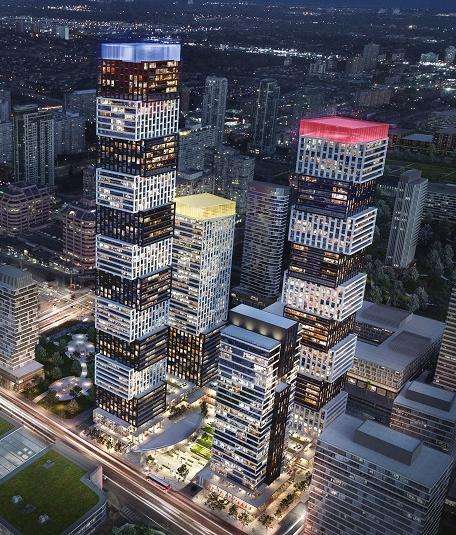
Explore GTA Pre-Construction Condos with CondoScout
Browse the latest pre-construction condo developments across:
- Toronto
- Mississauga
- Vaughan
- North York
- Scarborough
- Etobicoke
CondoScout provides:
- VIP access
- project analysis
- investment insights
- market research
- closing cost guidance
- expert pre-construction advice
designed to help buyers navigate the GTA condo market with greater confidence.
Start Your Pre-Construction Condo Search Today
Browse the latest GTA pre-construction condo developments, compare deposit structures, and access exclusive VIP incentives before projects launch to the public.
If you are considering buying a new condo in the GTA, CondoScout can help you:
- compare top developments
- evaluate investment potential
- understand builder incentives
- analyze future growth areas
- and make more confident buying decisions in Canada’s evolving condo market.